How to choose the right squeegee for screen printing?
 Inks and solutions
 Printing machines
 Printing Software
 Training center
How to choose the right squeegee for screen printing?
When we talk about squeegee for screen printing, we are talking about one of the key points for the quality of the final result. A good screen with a good light exposure, the correct ink for the material to be printed, whether we print with automatic or manual machines, the kind of squeegee and the handle really make a difference.
The squeegee is in fact made of two essential elements:
- The handle that can be made of wood or metal (usually aluminum or steel) for the manual screen printing; squeegee holder (metal profiles that can be made of aluminum or steel in different shapes, measure and grade) for the semi-automatic and automatic machines.
- The Vulko, usually called blade, which is the part that comes in contact with the screen and whose task is to make the printing ink go through the small holes of the exposed screen.
The compounds of the various printing squeegees and their production process allow special features of abrasion resistance and resistance to the chemicals of the ink (whether water-based, solvent, UV or Plastisol). The polyurethane from which the screen printing squeegees are made, derives from the processing of ethyl ester, usually called urethane.
In addition to the kind of compound, there are 3 other fundamental elements of a screen printing squeegee:
- The shape: the squeegees can be rectangular (in most cases), square or diamond shaped (mostly used when the highest precision of ink deposit is required, as on solar panels, CD, led etc.)
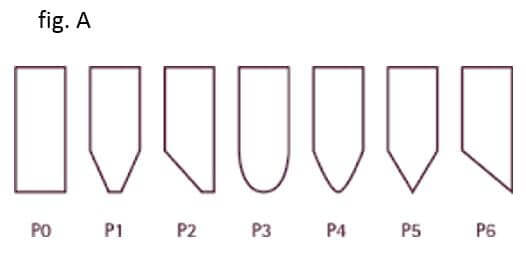
- The edge: not all the squeegee blades are cut at 90°. Some have curvature or V shaped tip and for each profile there is an international code in order to have the perfect tool for the required job (pic. A).
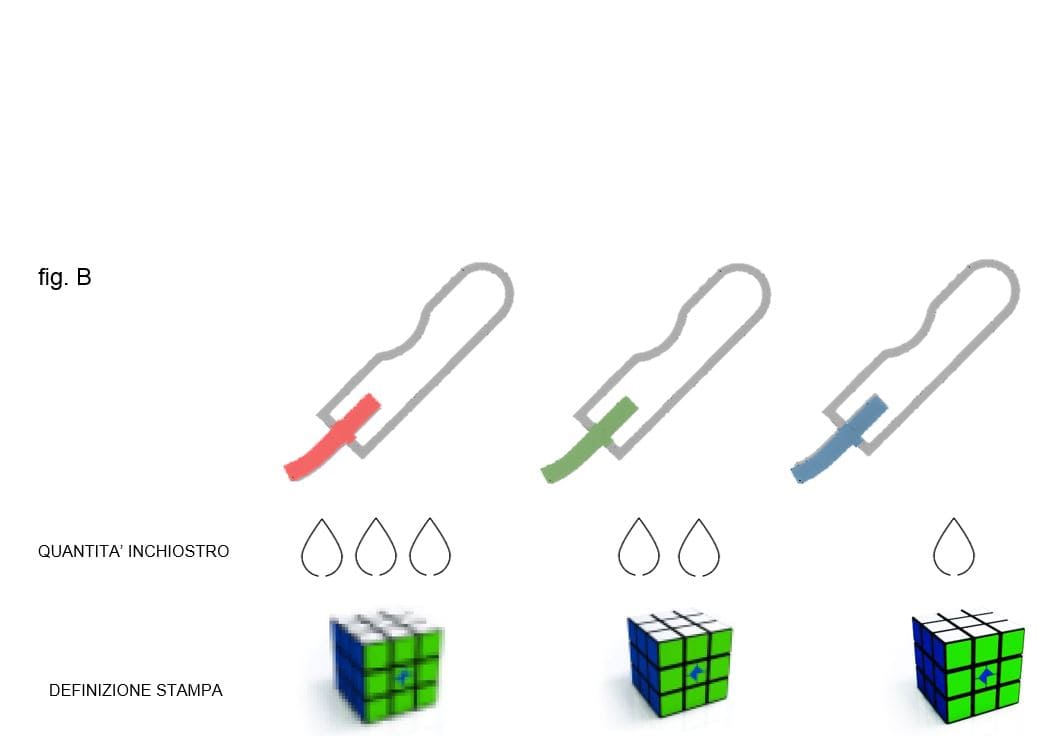
- The Hardness measured in Shore, conventionally used for elastomers and certain thermoplastic polymers. The hardness of the squeegee sets the quantity of ink that is pushed towards the open holes in the screen. The softer the squeegee (usually for screen printing it is from 50 to 65 shore) the higher the quantity of deposited ink (due to the curvature effect of the printing squeegee), while the harder the vulko (hard is considered from 80-85 to 90 shore), the lower the ink deposit.
There are several ways to produce the screen printing squeegees. Grafco selected two highly performing types.
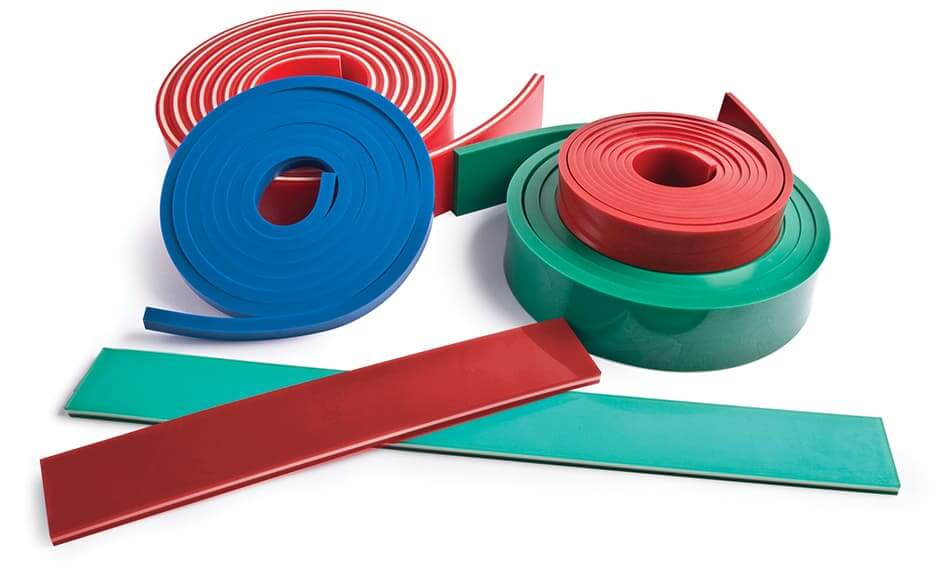
URETHANE screen printing squeegees
Urethane is a screen printing squeegee developed with a new vacuum melting of high crosslinking degree new polymers.
From some tests carried on in Grafco’s laboratory and confirmed by our clients, this kind of squeegee is a real solution to the problem of the aggressive solvents in screen printing. This innovative squeegee has solved the problem of the lines and rifling that appear when printing with quite aggressive solvent inks especially for the print of underbase or for long runs.
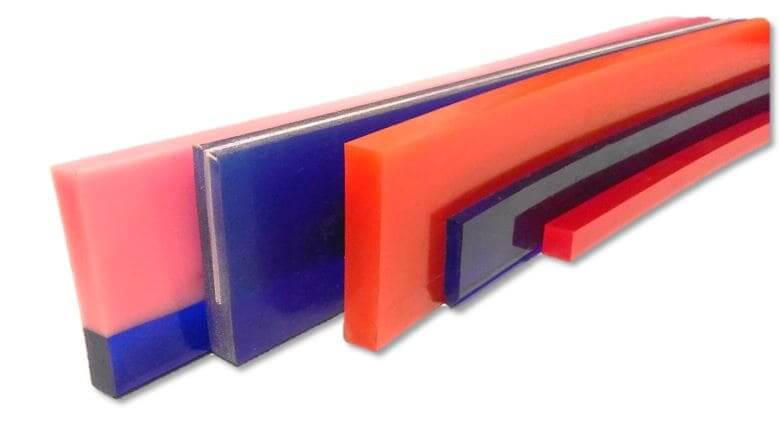
APOLAN screen printing squeegees
The Apolan squeegees are made of special polyurethane resins in high pressure extrusion. This technology makes a squeegee without any bubbles inside and with a higher density than the squeegees obtained by melting. These squeegees are particularly efficient and performing in high speed UV screen printing machines for printing bottles and cylindrical objects.
Their special structure makes them very resistant especially for use with UV inks in the paper industry and long runs label printing.